More Than a Game: Talking Honestly About Matka Addiction in South Asian American Families

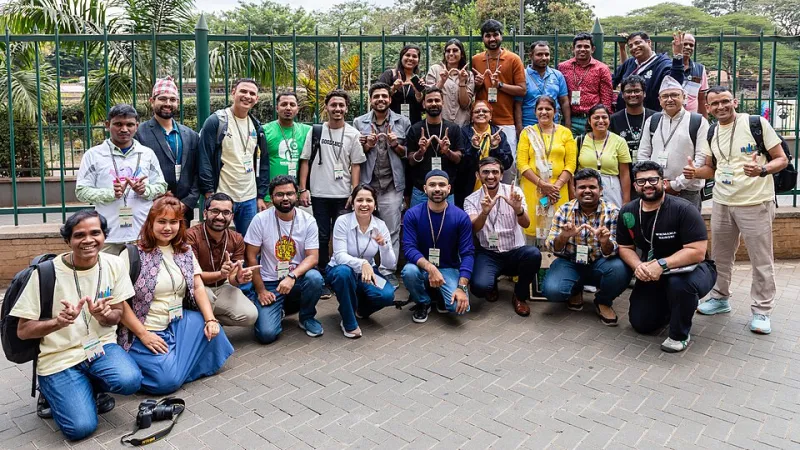
Photo: supportive family conversation mental health South Asian community counseling, via embarkrecovery.com
There's a version of this story that nobody talks about at the community center or the family dinner table. It's the version where the weekly flutter turns into a daily obsession. Where the "just a little fun" becomes a financial crisis that nobody outside the household knows about. Where the shame of admitting a problem feels heavier than the problem itself.
Matka has a beautiful cultural history. It connects generations, carries nostalgia, and for the vast majority of players, it stays exactly where it belongs — as entertainment. But for a meaningful number of people, the line between recreation and compulsion gets crossed quietly, gradually, and often invisibly.
This article isn't here to scare anyone or moralize. It's here to have the conversation that South Asian American communities sometimes struggle to have with themselves.
How It Usually Starts
Almost no one sets out to develop a gambling problem. That's worth saying plainly, because the way addiction is often discussed implies a character flaw — a weakness that "responsible" people don't have. That framing is both inaccurate and harmful.
For many players in South Asian American communities, matka begins as a cultural touchpoint. It's what uncles played. It's the game Dad mentioned from his Mumbai days. You try it, you enjoy the excitement, maybe you win a little, and you come back. That's a completely normal arc.
Deepak, a 41-year-old accountant from the greater Houston area who now volunteers with a gambling recovery support group, describes his own beginning this way: "It started as something I did with friends on weekends. A few dollars, a few laughs. But I have an addictive personality — I know that now — and within about a year, I was playing every day. I was spending money I didn't have. I was lying to my wife."
The transition from casual play to problematic gambling often happens in the gap between stress and escape. Life gets harder — a job loss, a relationship strain, a health scare — and the rush of the game becomes a reliable emotional off-ramp. The brain starts to crave that rush the way it craves other forms of relief.
Recognizing the Warning Signs
Because matka is often played within tight-knit social circles, and because the amounts involved can seem small at first, the signs of a developing problem are easy to rationalize away. But there are patterns to watch for — in yourself or someone you care about.
Chasing losses is one of the clearest red flags. The impulse to play "just one more time" to recover money already spent is a hallmark of compulsive gambling. It's the opposite of rational risk management.
Secrecy and deception show up early and consistently. Hiding the amount being wagered, creating cover stories for time spent playing, or becoming defensive when family members ask questions — these behaviors signal that the player themselves knows something has shifted.
Financial stress without clear explanation is another indicator families sometimes notice before the player does. Unexplained cash withdrawals, mounting debt, or requests to borrow money that don't add up to a visible cause deserve a gentle, non-accusatory conversation.
Emotional dysregulation around the game — intense irritability after losses, inability to stop thinking about the next play, or a growing sense that nothing else brings satisfaction — points toward psychological dependency.
Sunita, a social worker based in the New York metro area who works frequently with South Asian immigrant families, notes that cultural dynamics can complicate early recognition: "There's often a strong instinct to protect family reputation. So problems get minimized internally and hidden externally. By the time someone reaches out for help, the situation is frequently quite serious."
The Cultural Silence Problem
This is the part that makes matka-related gambling problems particularly thorny in South Asian American communities: the shame architecture that surrounds them.
For many families, admitting that a family member has a gambling problem feels like a public failure — of parenting, of values, of the immigrant success narrative. The instinct is to handle it "in-house," which often means not handling it at all, just suppressing it.
Deepak remembers the moment his wife found out. "Her first reaction wasn't anger. It was panic about who else might find out. That told me everything about how we'd been conditioned to think about these things." He pauses. "The secrecy protects the problem. It gives it room to grow."
For families navigating this, the most important first step is often the hardest: separating the person from the behavior. A loved one with a gambling problem is not a bad person. They are a person dealing with a recognized psychological condition that responds to treatment.
Finding Help Without Losing Your Cultural Footing
The good news is that resources exist, and some are increasingly aware of the cultural nuances South Asian Americans bring to these conversations.
The National Problem Gambling Helpline (1-800-522-4700) operates 24/7 and offers chat support as well as phone counseling. It's confidential, free, and doesn't require you to identify yourself or your community.
Gamblers Anonymous has chapters throughout major US cities and operates on a peer-support model that many people find less clinical and more accessible than formal therapy. The anonymity is genuine.
Culturally informed therapists are increasingly available, particularly in cities with large South Asian populations like the Bay Area, New York, Chicago, Houston, and Atlanta. Organizations like the South Asian Mental Health Initiative and Network (SAMHIN) can help connect families with practitioners who understand the specific cultural pressures involved.
Family therapy is often underutilized but highly effective. Gambling addiction affects everyone in a household, and having a structured, mediated space to address it — without blame or shame driving the conversation — can be transformative.
For family members who aren't sure how to start the conversation, Sunita's advice is simple: lead with concern, not accusation. "'I've noticed you seem stressed and I'm worried about you' opens more doors than 'I know what you've been doing.'" The goal is connection, not confrontation.
Playing the Long Game
Matka, for the overwhelming majority of its players, is exactly what it's meant to be — a bit of excitement, a nod to cultural heritage, a shared experience with people you care about. That's worth celebrating and preserving.
But loving something means being honest about its risks. And being part of a community means making sure that the people in it know they don't have to carry the hard stuff alone.
If any part of this article felt familiar — not as an observer but as someone living it — that recognition is worth paying attention to. Reaching out isn't weakness. It's the first smart play you can make.