Chai, Chit-Chat, and Charts: How Matka Went from Immigrant Pastime to American Gaming Conversation
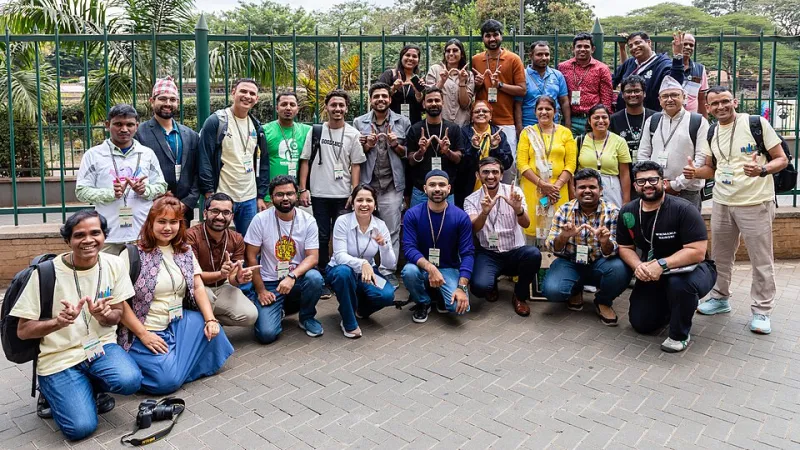
Photo: Bijay Chaurasia, CC BY-SA 4.0, via Wikimedia Commons
Walk into certain tea shops in Jackson Heights, Queens, or the desi grocery strips of Devon Avenue in Chicago, and you'll still find older men hunched over phone screens, scrolling through result charts with the focused intensity of day traders checking the NASDAQ. They're playing matka—or at least following it closely—and they've been doing it in some form for decades.
But something has shifted in the last few years. The demographic of who's paying attention to matka in America is broadening. The platforms are more polished. The conversation has moved from back-room whispers to open online forums. And while the game still carries regulatory complexity that keeps it firmly in a legal gray zone, its cultural footprint in the US is undeniably growing.
This is the story of how that happened.
Packed Suitcases and Familiar Games
When South Asian immigrants began arriving in the United States in significant numbers following the Immigration Act of 1965, they brought with them the full texture of their cultural lives—food, festivals, films, and yes, games. Matka, which had been a thriving working-class institution in Mumbai since the 1960s, was part of that cultural luggage.
In the early decades, the game existed almost entirely within tight-knit community networks. Results were shared through phone trees, handwritten slips, and eventually fax machines. Participation required knowing the right people. The game was deeply embedded in social infrastructure—a way of maintaining connection to home while navigating a new country.
"My father used to say matka was his newspaper and his social club rolled into one," recalls Sunita Mehta, a 47-year-old pharmacist from Edison, New Jersey, whose family immigrated from Gujarat in the 1970s. "He wasn't playing for the money, really. He was playing to stay connected."
For a long time, that connection was the product. The money was almost secondary.
The Internet Changed Everything
The real inflection point came with the internet—specifically, with the explosion of mobile connectivity in the 2010s. Suddenly, matka didn't require a community network. It didn't require proximity to a bookie or a trusted intermediary. It required a smartphone and a data plan.
Platforms began launching that offered result tracking, number analysis tools, and eventually online participation options. Forums on Reddit and dedicated Facebook groups brought together players across the country who had never met. YouTube channels began posting result analyses in Hindi, Gujarati, and English—sometimes all three in the same video.
This digital infrastructure did something the old community networks couldn't: it made matka accessible to people outside the South Asian diaspora.
Americans who stumbled onto matka through gambling forums, international gaming communities, or simply through friends began engaging with the game's unique structure—its Jodi and Panna formats, its twice-daily draw cycles, its emphasis on intuition and number selection. Some found it more intellectually engaging than straightforward lottery formats. Others were drawn to its cultural richness.
"There's a depth to matka that a lot of American lottery games don't have," says Marcus Webb, a 29-year-old from Atlanta who got into following matka charts about three years ago after a South Asian coworker introduced him to it. "It's got history. It's got community. It's got this whole world of strategy around it."
The Regulatory Tightrope
Here's where the story gets complicated, and where any honest account of matka in America has to pump the brakes a little.
Matka, in its traditional form, operates as a numbers betting game—and that puts it in a complex position under US gambling law, which varies dramatically by state. Federal law, particularly the Wire Act and UIGEA, creates significant restrictions on online gambling operations. States like New Jersey, Michigan, and Pennsylvania have robust licensed online gaming frameworks, but matka-specific platforms don't fit neatly into existing regulatory categories.
Most platforms that serve American players operate from offshore jurisdictions, which creates a patchwork of legal ambiguity for users. Players are generally not prosecuted for participation, but the regulatory environment for operators remains thorny and inconsistent.
Industry observers note that this is actually a familiar trajectory for games that eventually achieve mainstream status. Daily fantasy sports spent years in legal gray zones before gaining widespread acceptance. Poker fought long battles for legitimacy. The path is rarely clean.
"The regulatory story isn't finished," says one gaming industry analyst who asked not to be named due to the sensitivity of the topic. "As South Asian communities grow in political and economic influence, and as platforms invest in compliance infrastructure, the conversation around regulated matka-style games in the US will evolve."
Cultural Crossover and What It Looks Like
Beyond regulation, perhaps the more interesting development is cultural. Matka is quietly appearing in spaces where it wouldn't have been visible a decade ago.
There are matka-themed pop-up events at South Asian cultural festivals in cities like Houston and Los Angeles—not real-money gaming, but educational and entertainment formats that introduce the game's mechanics to broader audiences. Podcast episodes in English discuss matka strategy alongside mainstream gambling content. A growing number of non-South Asian content creators are covering matka results and analysis on YouTube, building audiences that cross ethnic lines.
This crossover isn't erasing the game's roots. If anything, it's amplifying them. South Asian players who've been part of this community for years often serve as cultural translators—explaining the game's history, its Mumbai origins, its connection to the rhythms of working-class life in India.
"I like that people are curious about it," says Pradeep Nair, a 52-year-old from Fremont, California, who has been playing matka in various forms since his twenties. "But I always want them to understand where it comes from. It's not just a number game. It's a piece of history."
What's Next for Matka in America
Predicting the future of any gaming format is tricky business, but a few trends seem reasonably clear.
Platforms are investing in user experience, mobile optimization, and responsible gaming features—signs of an industry maturing and positioning itself for eventual mainstream legitimacy. The South Asian-American population, now over five million strong and growing, provides a substantial and culturally engaged base audience. And broader American interest in international gaming formats—driven partly by globalization and partly by sheer curiosity—shows no signs of slowing.
Whether matka achieves the kind of regulated, mainstream presence that poker or sports betting now enjoy in the US is an open question. The legal landscape would need to shift considerably. But the cultural groundwork? That's already being laid, one number chart and one new player at a time.
From tea shop screens in Queens to gaming forums in Georgia, matka's American story is still being written.