Timing Is Everything: How Smart American Matka Players Read Festival Seasons to Sharpen Their Game
When the Calendar Becomes Part of the Strategy
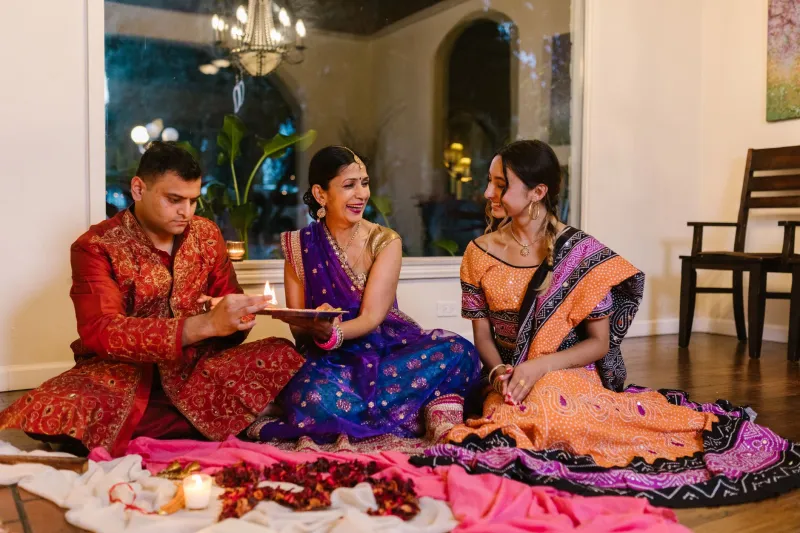
Ask any seasoned matka player in the South Asian American community when the game feels most alive, and you'll get a pretty consistent answer: Diwali weekend, New Year's Eve, Holi, Eid — the big cultural moments on the calendar when families gather, nostalgia runs high, and the urge to test your luck feels almost ceremonial.
But here's the question worth sitting with: is there actually something strategically useful happening during these seasonal spikes, or is the festive energy just making everyone feel luckier than they really are?
The answer, like most things in matka, sits somewhere in the middle — and understanding exactly where can genuinely change how you approach the game during peak windows.
The Seasonal Spike Is Real — Here's Why It Happens
Let's start with what's not up for debate. Participation in matka games — whether through online platforms accessible from the US or through community networks — measurably increases around major South Asian festivals. This isn't just anecdote; it's a pattern that operators, community organizers, and long-time players have observed for decades.
The reasons are layered. Festivals create natural gathering points. When extended family comes together for Diwali in New Jersey or a Holi party in Houston, card games, betting pools, and matka rounds often become part of the social fabric. There's also a deeply rooted cultural association between festivals and fortune — the idea that auspicious days carry better luck isn't just superstition, it's tradition.
Add to that the fact that many South Asian Americans experience heightened disposable income activity around the holidays — bonuses, gifts, holiday spending money — and you've got a recipe for elevated stakes and more aggressive play.
Diwali: The Super Bowl of Matka Season
If you had to pick one moment on the matka calendar that functions like the Super Bowl of betting seasons, Diwali is it. The Festival of Lights carries enormous psychological weight. Lakshmi, the goddess of wealth and prosperity, is at the center of the celebration, and for many players, placing a matka bet during Diwali feels less like gambling and more like participating in a ritual of abundance.
This belief drives behavior in concrete ways. Players who might normally bet conservatively tend to increase their wagers. New players enter the game for the first time, encouraged by the festive atmosphere. And communities that have drifted apart reconnect through shared gaming activity — sometimes in person, sometimes on platforms like HM Matka that serve the diaspora across time zones.
For the strategically minded player, this surge in participation is worth paying attention to — not because the odds magically improve, but because the composition of the player pool shifts.
Reading the Room: What a Bigger Player Pool Actually Means
Here's where strategy gets interesting. When participation spikes during Diwali or New Year's, you're not just playing against your usual crowd. You've got first-timers, emotional bettors, and players who are riding pure festive adrenaline rather than any kind of analytical framework.
Experienced players know that a pool flooded with recreational participants can change the texture of the game. Choices become less calculated, patterns in collective number selection shift, and the overall predictability of certain outcomes can fluctuate in ways that don't show up during quieter periods.
Does this mean you can exploit the holiday crowd? Not in any guaranteed sense. Matka is still a game with inherent randomness at its core. But approaching peak season with a clearer head than the average participant — sticking to your analysis, managing your bankroll deliberately, avoiding the temptation to inflate your bets just because everyone else is — is itself a form of strategic advantage.
New Year's and the Fresh-Start Fallacy
New Year's Eve and the days surrounding January 1st create a different kind of psychological environment. The cultural mythology of "new beginnings" is powerful, and it shows up in betting behavior in a very specific way: players are more likely to deviate from their established number patterns and try something new, operating on the feeling that the new year deserves a fresh approach.
This is what we'd call the fresh-start fallacy in action. The calendar flipping doesn't change the underlying probabilities of any matka draw. But it absolutely changes how people feel about their choices, which in turn affects the numbers they select and the amounts they wager.
Savvy players can use this awareness defensively. If you know that the New Year's window tends to generate more erratic, emotionally driven play from others, it's a good time to double down on discipline — review your tracking logs, stick to number ranges you've analyzed, and resist the urge to make dramatic changes just because the date changed.
The Holi Window and the Spring Surge
Holi deserves its own mention because it creates a seasonal pattern that's slightly different in character. While Diwali is associated with wealth and fortune, Holi carries an energy of abandon and celebration — and that shows up in how people play. Bets tend to be more impulsive, community games more spontaneous, and the overall atmosphere more about fun than strategy.
For players who take the long view, the Holi window is often better approached as a time to participate lightly and enjoy the social dimension of the game rather than push hard on analytical strategies. The emotional noise during Holi season can make it harder to read patterns clearly.
What the Numbers Actually Say About Seasonal Play
Here's the honest reality check: no festival window changes the fundamental probability structure of matka. The draw is the draw. Auspicious dates don't bend math.
What seasonal awareness does give you is a better understanding of the human environment around the game. More participants, more emotional decision-making, more money moving through the system — these are real variables that shape the experience even if they don't alter the underlying odds.
The players who seem to navigate peak seasons most effectively tend to share a few habits. They set hard limits on their holiday betting budget before the season starts, treating the festive period as a distinct phase with its own rules. They stay observant about how the mood in their community affects collective number choices. And they're honest with themselves about when they're making strategic decisions versus when they're just caught up in the excitement.
Building Your Own Seasonal Playbook
If you want to approach the matka calendar more deliberately, start simple. Map out the major festival windows that matter to your community — Diwali, New Year's, Holi, Eid, Navratri — and note how your own betting behavior has historically changed during those periods. Are you betting more? Choosing numbers differently? Winning or losing at different rates?
That personal data is more valuable than any general theory about seasonal patterns. Your own behavioral tendencies during high-energy periods are the most actionable thing you can track.
Then layer in the community dimension. Pay attention to how the people around you play during peak seasons. Not to copy them — but to understand the landscape you're operating in.
The matka calendar is real. The seasonal energy is real. Whether you let it play you, or whether you play it smart — that part's up to you.